
Ahead of the 2026 NBL season, new laws were put in place. Among them was the U21 player law which ensured that every NBL team have at least 1 U21 player on the roster. That player was also supposed to play a certain number of games.
On looking back at the season, was this law effected? Were there teams that violated it? In this article, we shall see how certain teams like the Namuwongo Blazers, KCCA Leopards and others either circumnavigated or never followed the law.
What does the law say?
Section 2.01 (i) of the 2026 Competition rules and regulations handbook states;
Double licensing: All NBL Teams shall/must register at least one (1) U21 on the final roaster. The said player must be a Ugandan National aged between seventeen (17) and twenty-one (21) years of Age. This player is eligible to play a minimum of Five (5) games during the season and shall be licensed to also play in the Lower league by a team that agrees to sign him or her.
How some teams may have violated the law.
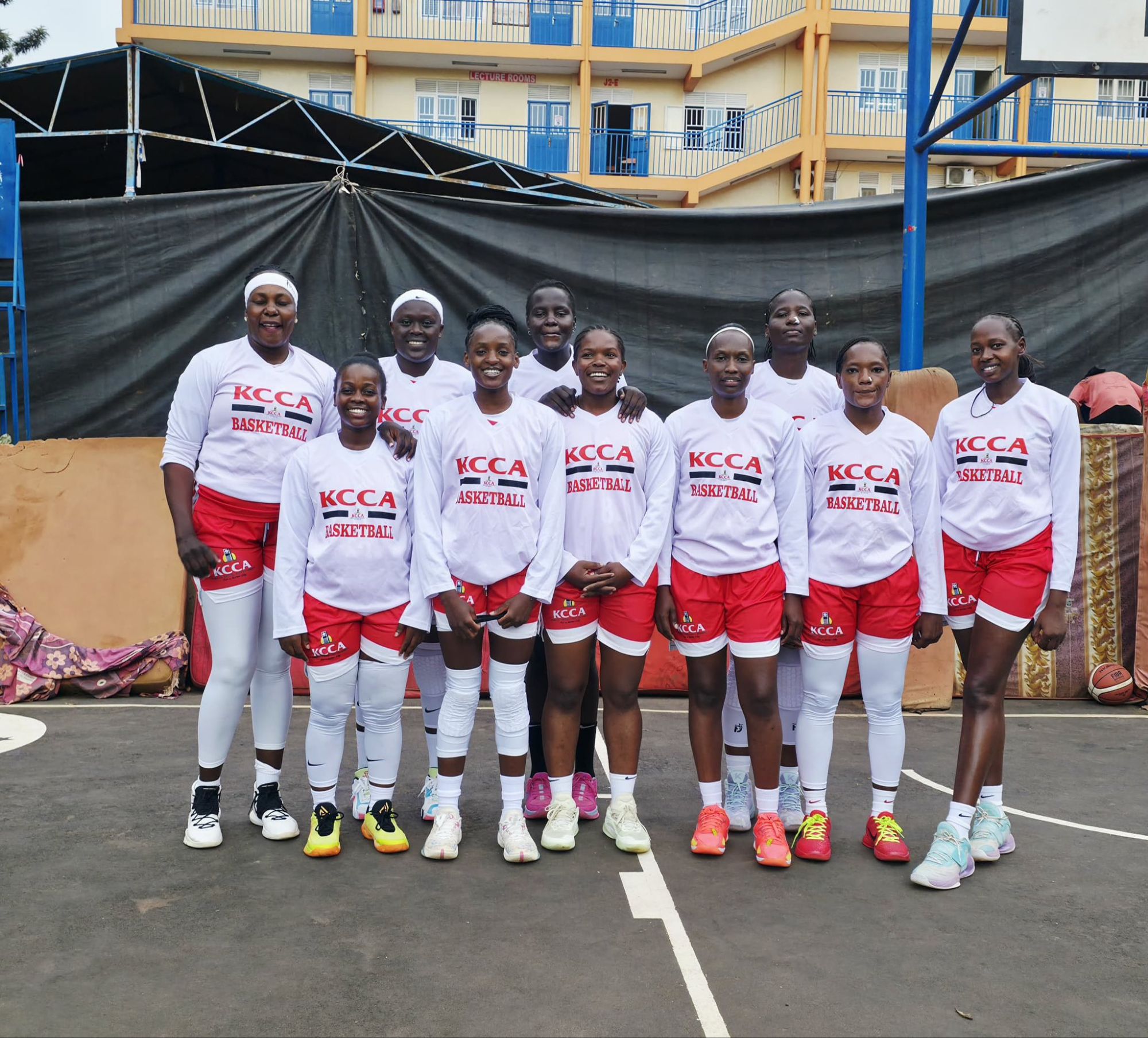
KCCA Leopards: When you look at the roster, there is no player that is U21.
The JT Lady Jaguars had 3 players who can be classified as U21. However, 2 of them did not play the minimum of 5 games. The third player, Amy Chan, who was regarded as the U21 played reached the quota and also played as a double-license player in the Division One for the JT Junior Lady Jaguars. The challenge with Amy was the age. According to documents, her date of birth is September 12, 2004. That means that by the time of registration, she was 21 years and about 5 months. Did she classify as an under 21 player?
All the other ladies’ teams had at least 1 U21 Ugandan player and most played a significant number of games.
In the men, there were 3 teams which raised questions. The JT Jaguars did not have anyone who is under 21 on their final roster. UMU Flames had 2 players, Erjok Agot and Malok Marol who are U21 but the two are all not Ugandan. Jerome Joel Otim was the one player who was classified as U21. However, he date of birth as per the records is 17th Novemeber, 2004. This means that at the time of registration, he was 21 years and about 2 months old. Was he counting as U21?

Namuwongo Blazers had Shakiru Hamid and he played 3 games. In 4 other games, he was on the game day squad but did not play. This is according to the livestats data. The question here is, when a person doesn’t play in the game but is on the game sheet, do you count that as a game played for him? If yes, then Hamid played 7 games and the Blazers did not violate the law. If no, he only had 3 appearances and the Blazers violated the law.

Ambiguity and lack of sanctions in the law
In the law, the one thing that is clear is that a team must have at least 1 U21 player. However, the second part is ambiguous. It talks about a player being eligible for a minimum of 5 games. It doesn’t say that it is a must (mandatory) for the player to play at least 5 games. Also, it doesn’t define what playing actually means. A player could be on the game day sheet and doesn’t feature. Does that count as playing as per the law? That was never made clear.
Secondly, there were no sanctions. For most laws, there are usually sanctions when violated. In this case, the law did not say anything about what happens when a team violates the law. So, even if a team was found guilty, there are no legal grounds on which to punish them.
Lack of enforcement
This law was never enforced at all. According to Section 2.01 (m), A Club that meets all the above requirements be issued with Club/ Team Identification Number and a club license for the 2025 season in accordance with the licensing checklist in Schedule I.
First and foremost, there was error in the law. It talks about 2025 yet the season was 2026. Secondly, for a club like KCCA Leopards, they never had a U21 player on their final roster. How did they get cleared? T
Clearly, there was a lot of oversight.
The other thing is, for a law like this, someone has to keep reminding teams of how or how they haven’t used their U21 players. For the case of Nam Blazers, Hamid played just twice in the first round. Was there a person who followed up with the Blazers to make sure that he featured at least 3 more times. This wasn’t a case of the Blazers alone, almost every team had a U21 player, was there follow up?
- iCARRe Foundation to host the inaugural Mind Over Game Athlete Mental Health and Performance Summit
- Did Nam Blazers, KCCA Leopards violate the NBL rules?
- Which locally based players deserve a Gazelles call up?
- Anyango records first double digit scores as Texas Tech remain perfect
- Score Beyond calls for Sponsors ahead of the 2026 Adjumani Community Fest
Final take
When laws are introduced, they are usually brought for a purpose. What was the purpose of this law? Can we say that it did more good or bad? What does the data say about the U21 players?
Enforcement of laws is supposed to be there and culprits sanctioned. If not, why then have the law. The other thing is, why did they rush? When you look at the handbook, there are very many errors in the wording and details. Besides, it is vague.
FUBA has to make sure that amendments and corrections are made in the law. Also, there has to be enforcement otherwise it makes no sense to have it.



Leave a Reply